
"Ethiopian coffee production"
6000 article(s) found

Ethiopian coffee bean flavor taste the manor area introduces fine coffee beans Ethiopian coffee
Sustainable coffee culture Ethiopian coffee beans grow in close to the natural environment, after years of planting under the same growth conditions, Ethiopian coffee beans have gradually adapted to the environment here. More than 60% of coffee beans are grown in forests or semi-forests. The villages that grow coffee in large areas account for about the total amount of coffee produced in the country.

Ethiopian coffee species Origin of Ethiopian coffee
Saifeng coffee beans grow in close to the natural environment, after years of planting under the same growth conditions, Ethiopian coffee beans have gradually adapted to the environment here. More than 60% of coffee beans are grown in forests or semi-forests. Large-scale coffee-growing villages account for about 35% of the country's total coffee production. These use multiple layers.

How is Ethiopian coffee traded? introduction to the price of Ethiopian coffee beans.
For more information on coffee beans, please follow coffee workshops (Wechat official account cafe_style) according to the Ethiopian decree, there are three coffee export systems, (1) the largest privately owned processing plant system for export through competitive ECX, (2) the cooperative system, and (3) the single farm system. In these three systems, cooperatives and single manors are not thorough.

Ethiopian Coffee Culture Coffee Flavor characteristics of different producing areas in Ethiopia
Ethiopia is recognized as the birthplace of coffee, and the coffee produced is also highly respected in the boutique coffee market, and Ethiopian coffee is almost available on the menus of coffee shops around the world. But why is Ethiopian coffee so well received? How well do you know this coffee-producing country? Ethiopia's producing areas vary greatly, with each producing area, micro-producing area and even farm production.

Ethiopian coffee beans | Ethiopian coffee producing areas | Guji Kaiyong Mountain Farm washing
Professional coffee knowledge exchange more coffee bean information please follow coffee workshop (Wechat official account cafe_style) Ethiopia coffee bean Guji Kaiyong Mountain Farm washing Ethiopia Guji Kayon Mountain washed production country: Ethiopia Ethiopia production area: Guji Guji Farm: Kaiyong Mountain Farm Kayon Mountain producer: Ato Esmae

Ethiopian Coffee Bean Story Ethiopian Coffee introduction to Ethiopia Yega Xuefei
Professional coffee knowledge exchange more coffee bean information please follow the coffee workshop (Wechat official account cafe_style) Ethiopian coffee beans Ethiopia has always been regarded as the birthplace of coffee. When you understand the local way of handling coffee, you can probably understand that this imperial status is well-deserved. Even under the worst production conditions, coffee trees are replaced by others.

Ethiopian Coffee beans Ethiopian Coffee producing areas introduce the Ethiopian Waka Cooperative
Professional coffee knowledge exchange more coffee bean information Please follow the coffee workshop (Wechat official account cafe_style) the Yega Sheffei producing area of Ethiopia is well-known, but in the Yega Sheffei system, there is a new trend, that is, the development of a single small farmer and a single agricultural product. Let's take the Waka Cooperative as an example, let's talk about this trend now, according to Ethiopia.

Good average quality; aromatic and full-bodied Ethiopian coffee plantation taste characteristics
Ethiopian coffee beans grow in a near-natural environment. After years of cultivation under the same growing conditions, Ethiopian coffee beans have gradually adapted to the environment here. More than 60% of coffee beans are forest or semi-forest grown coffee. Coffee farming villages produce about 35 percent of the country's coffee.
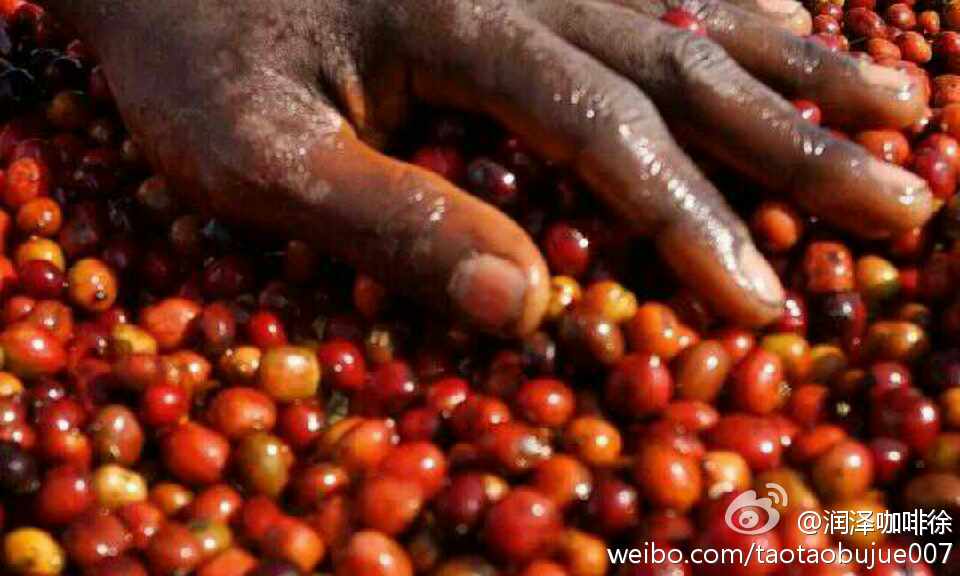
Introduction to the flavor and taste of Ethiopian coffee beans grade classification of Ethiopian Sidamo coffee beans
Ethiopia has unique natural conditions suitable for growing all imaginable varieties of coffee. As a upland crop, Ethiopian coffee beans are mainly grown in areas between 1100 and 2300 meters above sea level, roughly distributed in southern Ethiopia. Deep soil, row

Ethiopian boutique coffee introduces the taste characteristics of Ethiopian coffee Ethiopian coffee
Although the Ethiopian Yirgacheffe coffee is petite, it is gentle and delicate and sweet. As the hometown of coffee, thousands of years of planting history and processing tradition in Ethiopia have created high-quality washed Arabica beans. Light baking has unique sweet aromas of lemon, flowers and honey, soft acidity and citrus flavors, fresh and bright on the palate. Without

Flavor description of Ethiopian Sidamo Coffee Variety introduction to Regional treatment of Manor production
Ethiopian Sidamo Coffee Flavor describes the taste of Ethiopian coffee grown in close to the natural environment, after years of planting under the same growth conditions, Ethiopian coffee beans have gradually adapted to the environment here. More than 60% of coffee beans are grown in forests or semi-forests. Coffee growers on a large scale

Ethiopian coffee beans introduce Ethiopian coffee culture Ethiopian coffee
Professional coffee knowledge exchange more information about coffee beans please follow the coffee workshop (Wechat official account cafe_style) Ethiopia is one of the largest coffee producers in the world. However, its exports are less than half of its growth. In other words, it consumes more than half of its own production. For nearly 100 million people, this is about 500 million pounds of coffee, which is a special order.

ADORSI processing plant special prefabricated treatment in 2018 to 19 production season Ethiopian raw bean competition sun
Professional Coffee knowledge Exchange more coffee bean information please follow Coffee Workshop (official account of Wechat cafe_style) Coffee production country: Africa Africa, Ethiopia Ethiopian Coffee Manor: ADORSI processing Plant, Aricha Areqia, Yejia Xuefei Coffee Variety: Heirloom Ethiopian original species (biography)
The origin and development of Ethiopian fine coffee beans
Ethiopian coffee beans
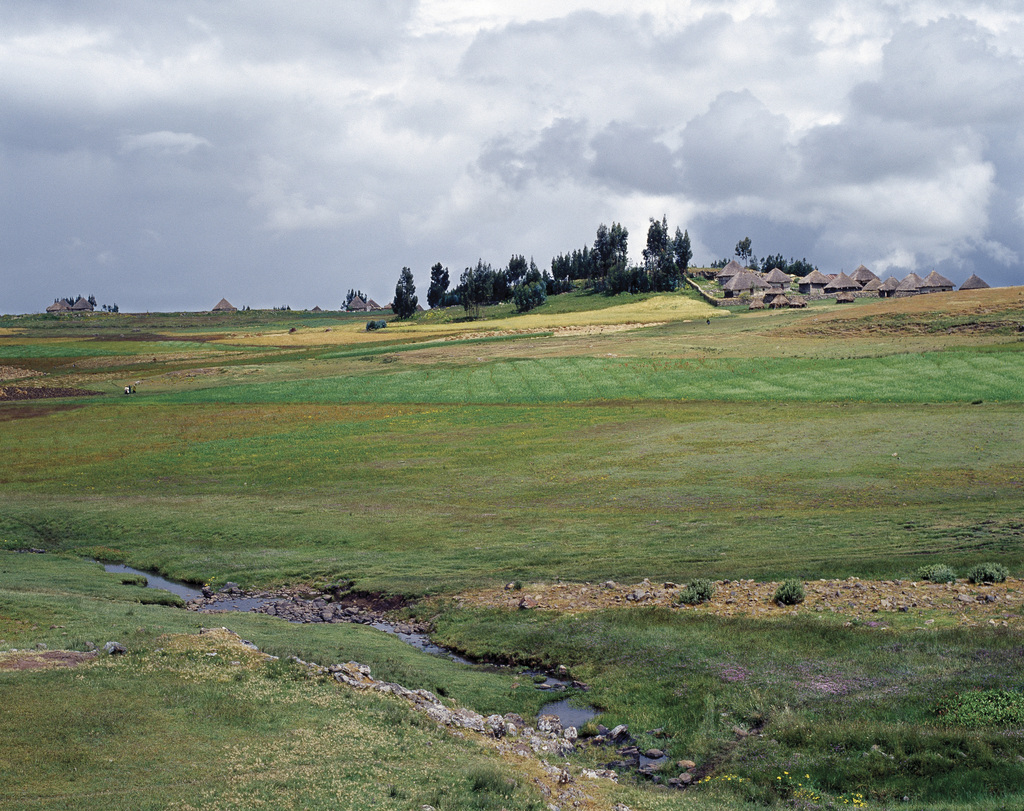
Flavor evaluation of Ethiopian coffee beans Starbucks Ethiopian varieties of coffee beans
Ethiopia is one of the major producers of Arabica coffee in Africa, producing the best Arabian coffee in the world. It is said that coffee was first discovered by shepherds in Essekafa, and the name of coffee evolved from Kafa, so Essex is still the hometown of coffee. The geographical environment of coffee production and processing is very suitable for coffee growth. Coffee is mainly cultivated.

Flavor characteristics of Ethiopian Coffee introduction of Ethiopian coffee
Ethiopia produces a lot of coffee is a coffee-producing country, where coffee with a natural climate produced coffee is very good birthplace of coffee-Ethiopia. The coffee tree originated in Ethiopia, which was originally a wild plant here, and the name coffee comes from the Ethiopian town of Kaffa. In fact, Ethiopia allows

Ethiopian Coffee Trading system explains in detail the relationship between price and quality of Ethiopian coffee beans
For more information on coffee beans, please follow coffee workshops (Wechat official account cafe_style) according to the Ethiopian decree, there are three coffee export systems, (1) the largest privately owned processing plant system for export through competitive ECX, (2) the cooperative system, and (3) the single farm system. In these three systems, cooperatives and single manors are not thorough.

Ethiopian coffee powder introduction of Ethiopian coffee beans
Now, Ethiopia produces coffee not only for drinking, but also for coffee lovers around the world to enjoy it better. With the continuous improvement of the quality and production efficiency of the coffee industry, Ethiopia is now more than ever able to provide high-quality coffee to even the most picky and discriminating customers. Ethiopia hopes that not only the world

The production method of washing Yega Xuefei Ethiopian coffee beans to treat coffee beans
Ethiopian coffee beans are divided into five levels. The first and second stages are washed beans. Washed beans Grade1 represents 3 defective beans per 300g raw beans, and Grade2 represents 4 defective beans per 300g. Gradc1 grade water washed beans are very rare and are generally difficult to buy. At present, all the washed beans exported from Ethiopia are Grade2 grade. The quality of sun-dried beans is Grade3 and Grad in order.
Ethiopian Yega Xuefei boutique coffee beans are synonymous with Ethiopian boutique coffee
Yega Xuefei is a small town, 700-21000 meters above sea level, synonymous with Ethiopian boutique coffee. It has been a wetland since ancient times. The ancient saying "Yirga" means to settle down and "Cheffe" means a wetland. The mode of production and flavor of coffee here are so outstanding that Ethiopian coffee farmers compete to be proud of the flavor of their coffee, making it the best in Africa.